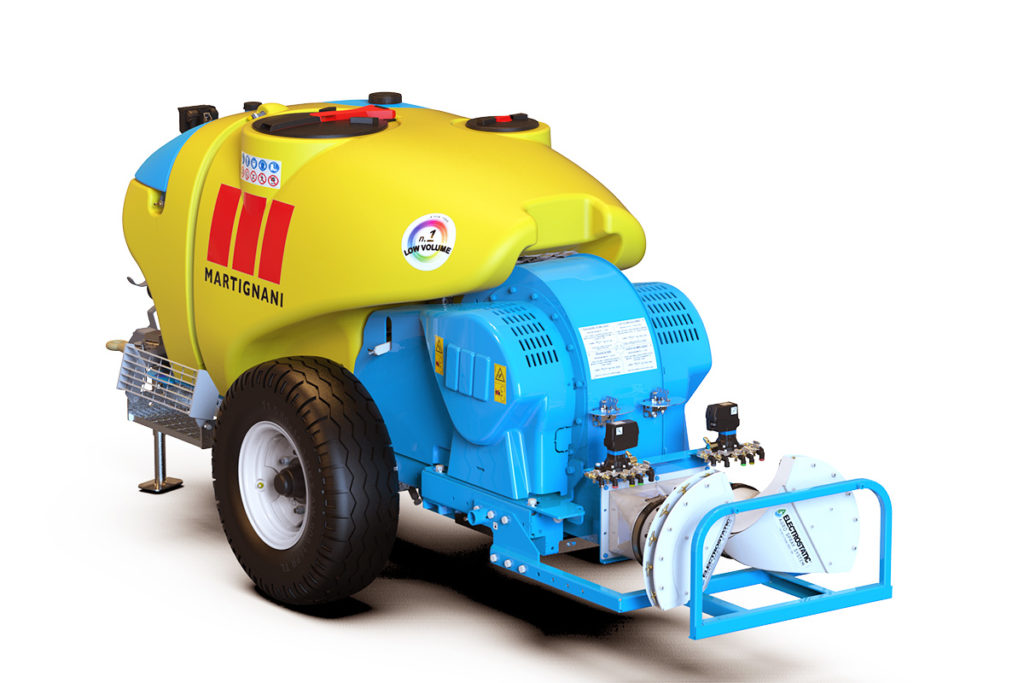
Is it possible to protect a demanding crop like cherries using just 375 liters of water per hectare? The experience of an Argentine grower, who has been using Martignani technology for four growing seasons, shows that reducing the application volume does not mean sacrificing effectiveness.
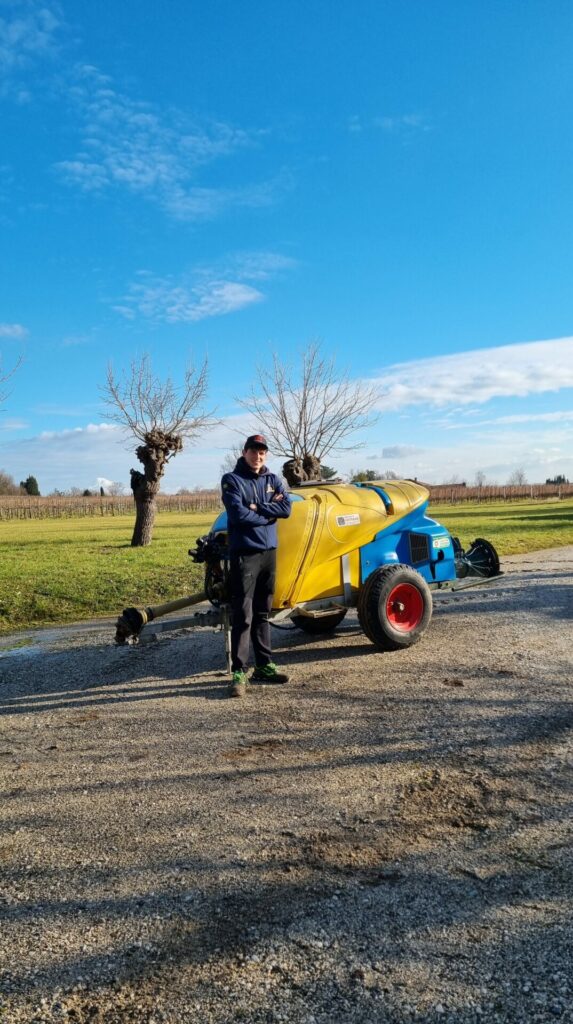
In the province of Chubut, in Argentine Patagonia, a group of growers specializing in cherry cultivation has been using Martignani sprayers for four growing seasons.
“Since we started using the machine, we have achieved excellent results in controlling insects and fungi, and our leaf analysis results are comparable to those of other farms that use conventional technology with application rates of 1,000 L/ha.”
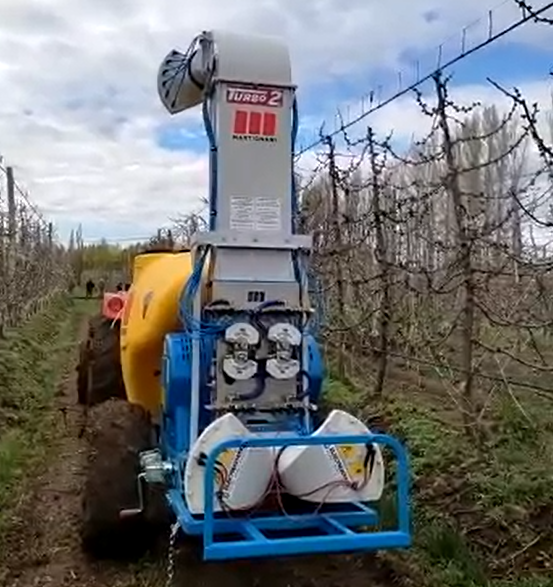
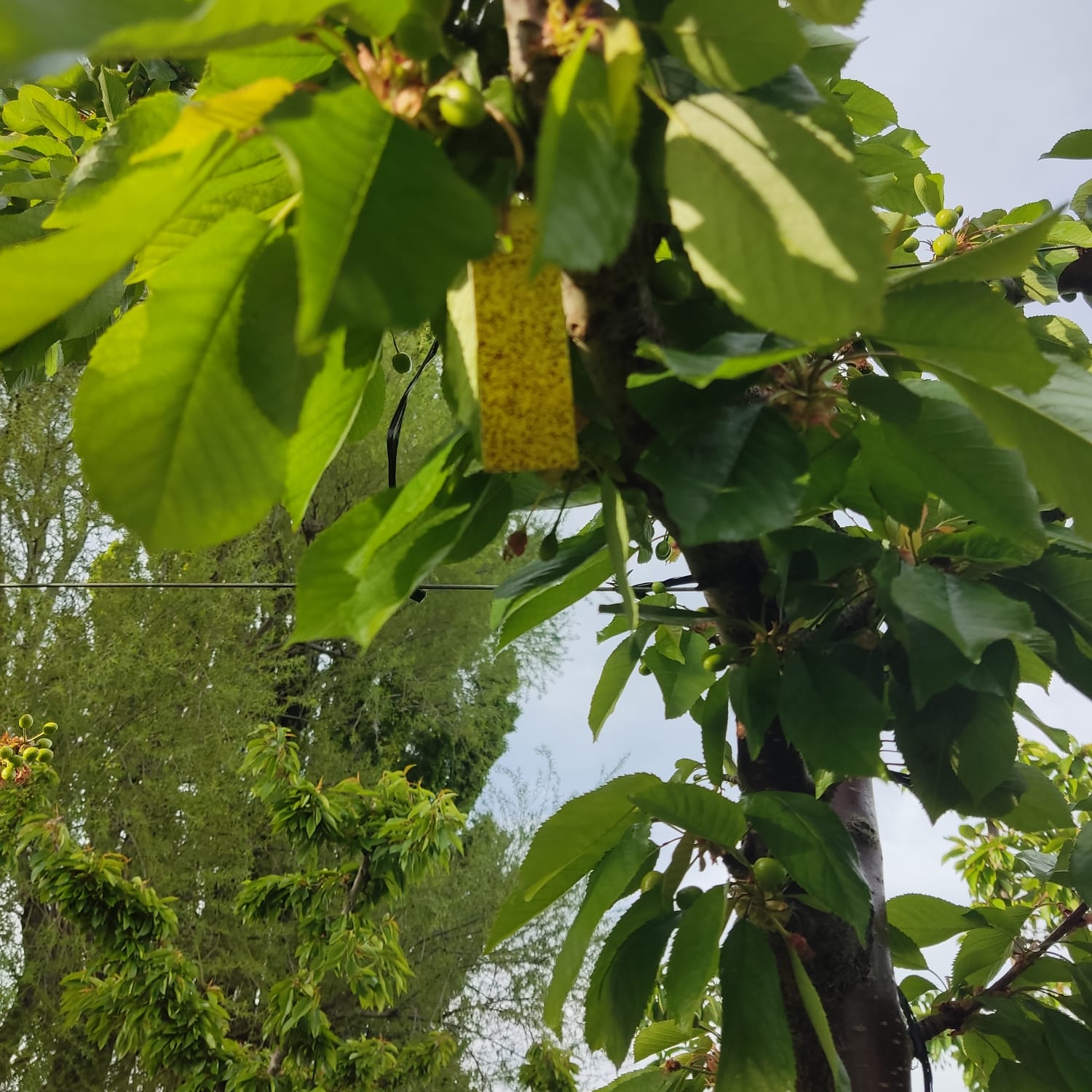
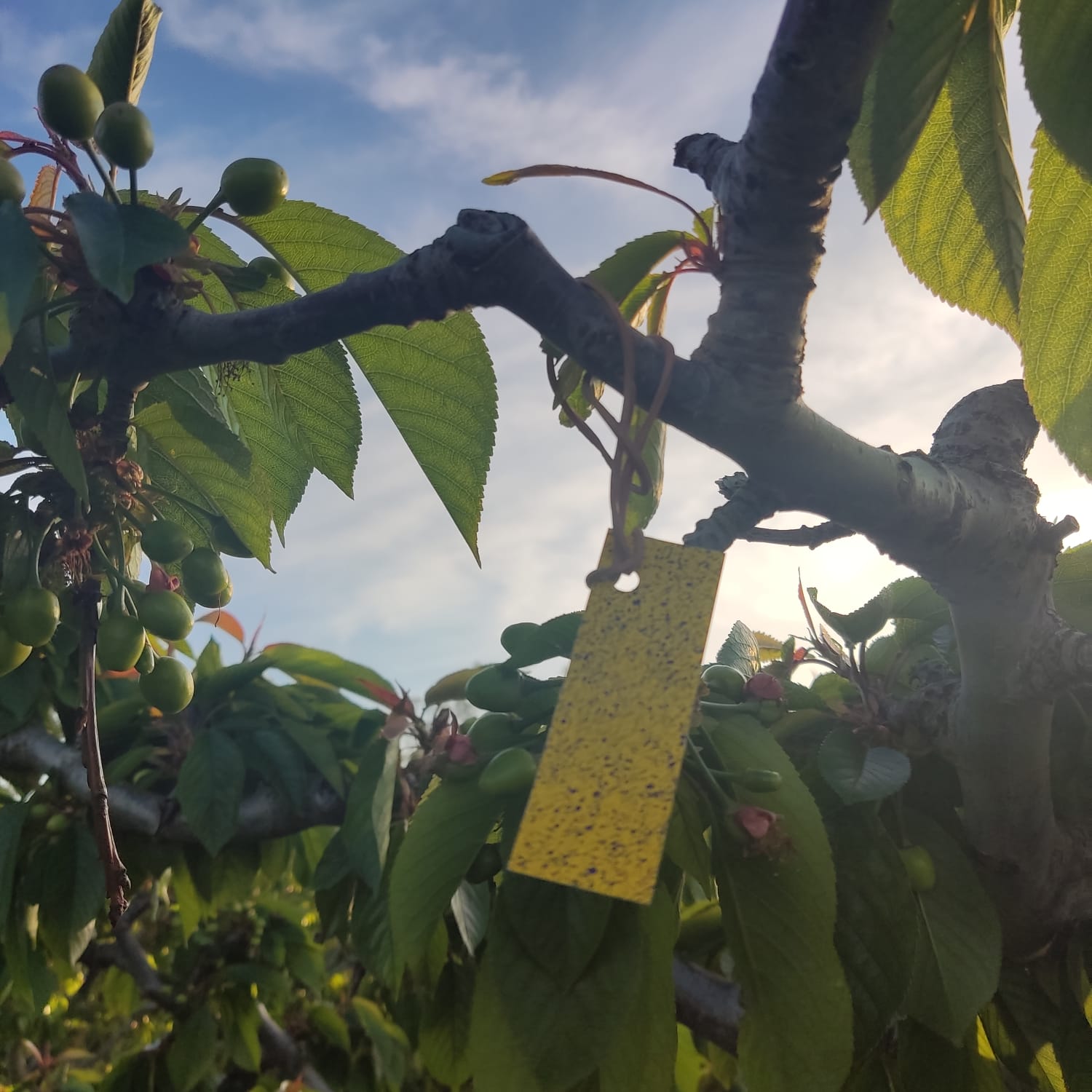
The orchards include varieties such as Santina, Lapins, Kordia, Regina, and Sweetheart, which are primarily grown using the central-axis system. The distance between rows ranges from 3.5 to 4.5 meters, with approximately 1.5 meters between plants and tree heights that generally do not exceed 3–3.5 meters.
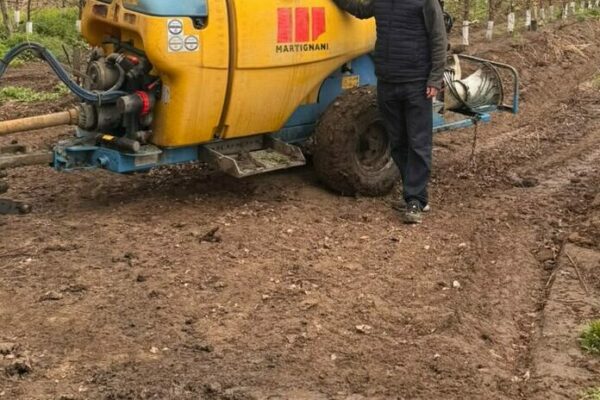
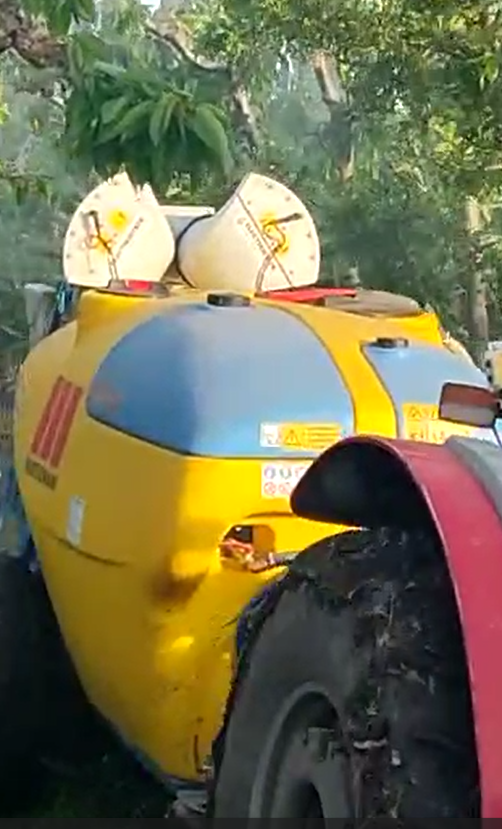
Currently, two Martignani machines operate across a total area of approximately 50 hectares of cherry orchards.
From 1,000 to 375 liters per hectare
The most striking figure concerns the application volume.
The producer typically uses 375 L/ha, compared to the approximately 1,000 L/ha used with conventional technology by other farms in the area.
This means using 62.5% less water per hectare.
In other words, with 1,500 liters of mixture, it is possible to treat approximately 4 hectares at 375 L/ha. With a volume of 1,000 L/ha, the same amount would cover just 1.5 hectares.
This difference becomes even more significant when you consider that, over the course of a season, between 13 and 16 treatments are typically carried out.
Less water without sacrificing effectiveness
Reducing the volume would make little sense if it compromised the final result of the treatment.
Throughout the growing season, treatments are applied to control fungal diseases and protect against various pests. Among the main pests reported by the grower are mites, thrips, and Drosophila suzukii.
The treatment program also includes preventive measures against diseases such as monilia and rot, as well as the application of foliar fertilizers, biostimulants, and growth regulators.
After four growing seasons of using Martignani technology, the grower’s assessment is clear:
“Since we’ve been using the machine, we’ve achieved excellent results in controlling insects and fungi, in addition to leaf analyses comparable to those of other farms using conventional technology with application rates of 1,000 L/ha.”
In his experience, therefore, reducing the water volume has not resulted in a loss of effectiveness compared to other farms in the area that operate with considerably higher volumes.
When the Wind Decides When to Treat
In Chubut, there is also another determining factor: the wind.
In an area where weather conditions can limit the available windows for applying treatments, being able to complete the work in less time is a significant operational advantage.
The producer himself lists this among the main benefits observed:
“This is a very windy area, and we spend much less time applying treatments, allowing us to make better use of favorable conditions.”
Reducing the time required to complete each treatment allows for better use of the windows where conditions are suitable for treatment and for faster coverage of the entire farm area.
Another advantage highlighted by the manufacturer is reduced contamination due to drift .
Cost, fuel, and labor savings.
The Argentine experience is not limited to water savings.
Comparing Martignani technology with conventional systems, the manufacturer points to the main benefit as savings in the costs of plant protection products and fertilizers, estimated at around 66% .
It also shows similar savings in terms of labor hours and fuel, resulting from more efficient application management.
Added to these factors is the reduced maintenance required by the machines, another aspect that has become evident after several seasons of use.
A comprehensive program for the entire season
The low volume application is part of a comprehensive crop protection and nutrition program.
The technical program provided includes interventions starting from the dormant bud stage, with treatments aimed at preventing the onset of fungi and bacteria, continuing through the flowering, fruit set, and fruit growth stages, up to post-harvest interventions and leaf fall.
Some pest control treatments are carried out based on monitoring, thereby tailoring applications to the crop’s actual needs.
Applying 375 L/ha, therefore, does not mean reducing crop protection, but rather using a lower volume of water as part of a comprehensive and structured treatment program.
Four Seasons Later
After four growing seasons, with approximately 50 hectares managed using two machines and treatments routinely applied at 375 L/ha, the grower’s words perfectly sum up his experience:
“We are extremely satisfied with the machine.”
So much so that he is already considering the purchase of another Martignani machine for a new farm currently under development.
This Argentine grower’s experience clearly demonstrates what it means to optimize a treatment: less water, less labor time, and lower costs, while maintaining the effectiveness needed to protect a high-value crop like the cherry tree.
Because reducing volume doesn’t just mean using less water. It means making sure that every liter used works more effectively.
Gallery
Video
Learn about the sprayer
Discover the advantages of our atomizer
You might also be interested in.
Are you looking for a sprayer?
Discover the entire Martignani line